
As the Snow Melts...
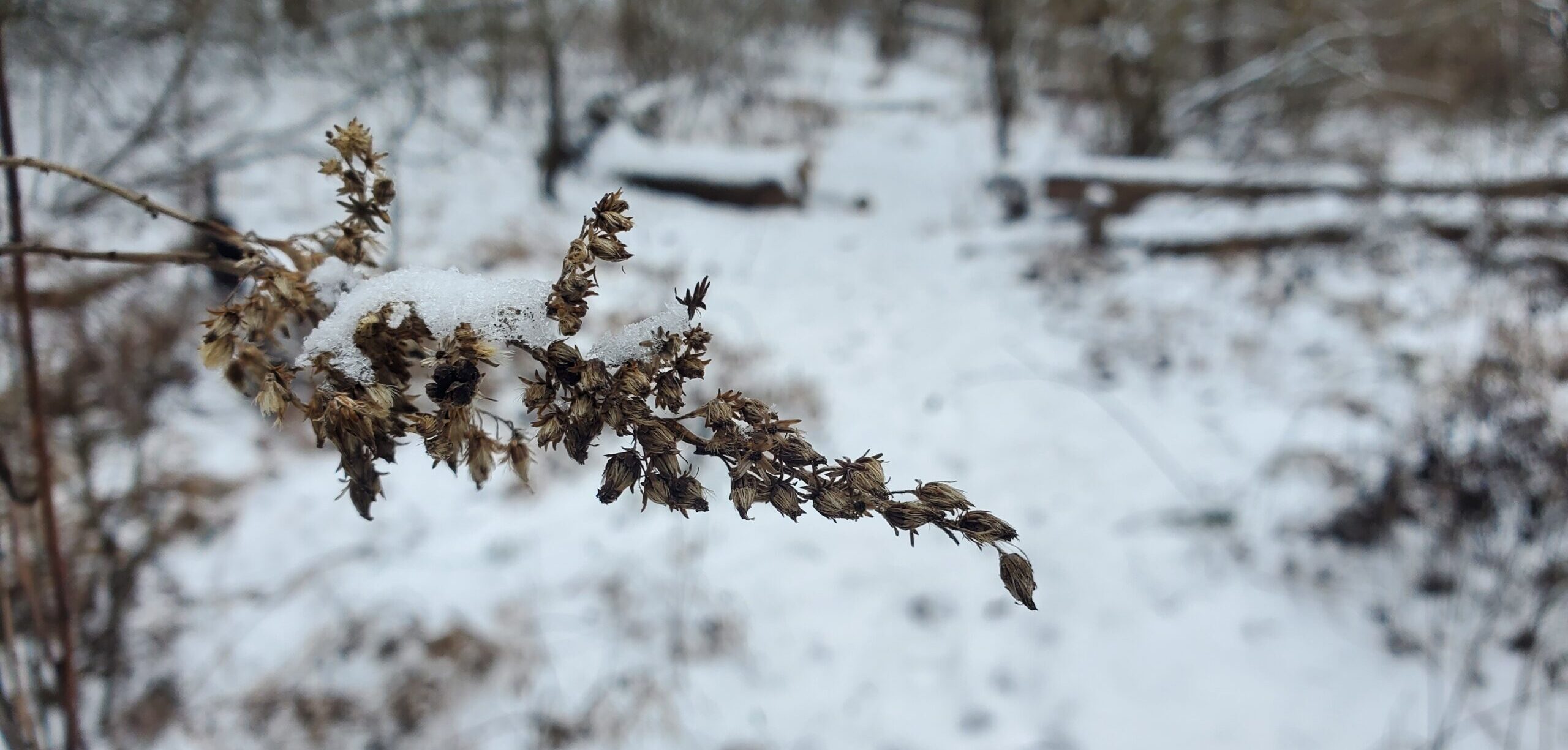
We are patiently, for the most part, awaiting the arrival of spring! Bright, green sprouts and buds, refreshing rainfalls, and lots of blooms await us in the new season. In the coming weeks as we wait for spring, this time will be very meaningful for plants. The preparation underground is vital for a plant’s success during the growing season. So what exactly happens beneath the soil as the snow melts?
Survival Mode
During the winter season, most native plants are in dormancy. This means that the plant will start to concentrate nutrients in the roots and no longer prioritize above ground structures. What we see is the leafy green parts of our plants dying off. If a plant has woody stems, they tend to stay intact through the winter. For example, the northern spicebush (Lindera benzoin) and flowering dogwood (Cornus florida) pictured below lose their leaves and flowering parts as they enter dormancy, but the hardier, woody stems remain.
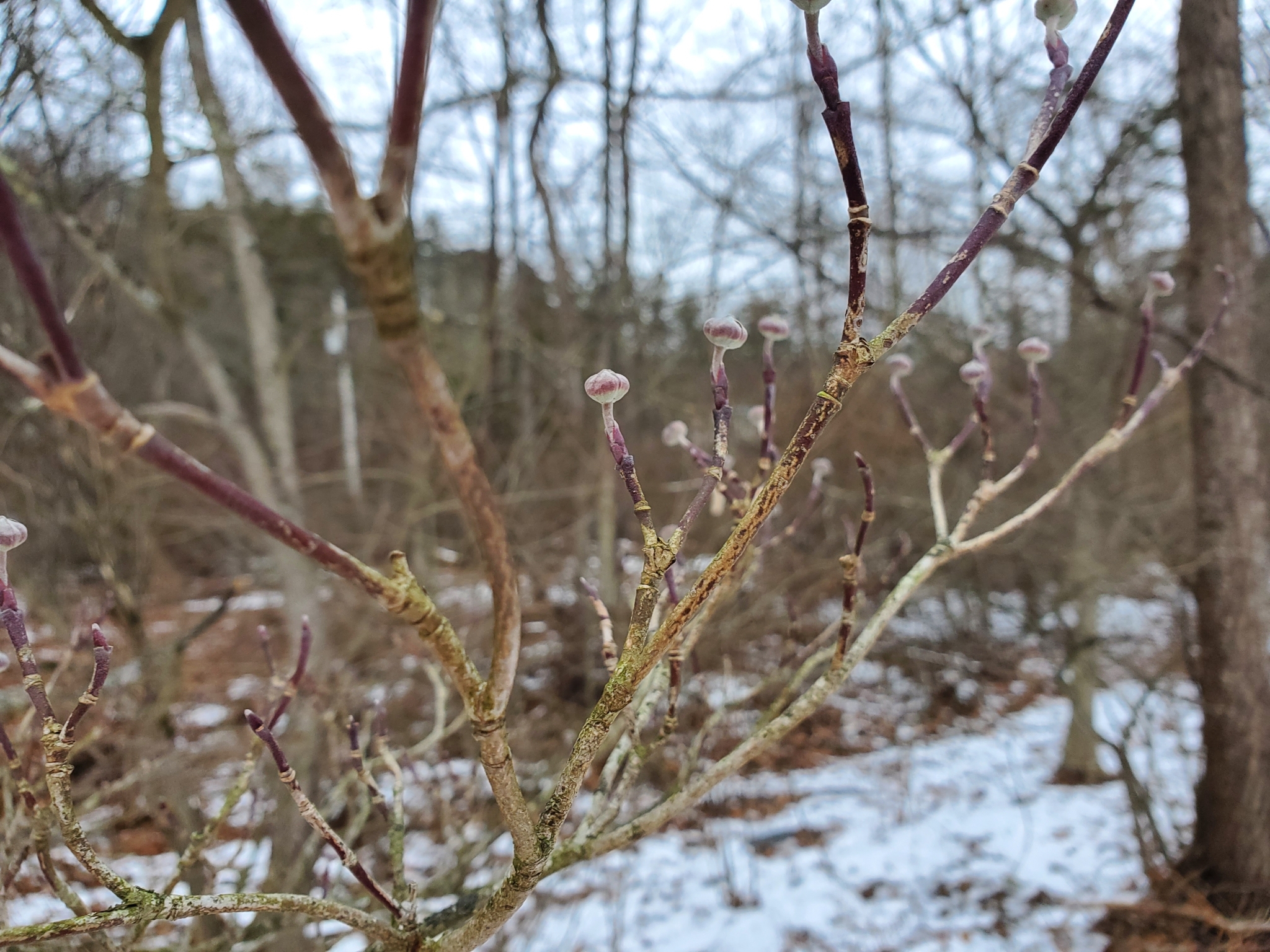
Flowering Dogwood
(Cornus florida)
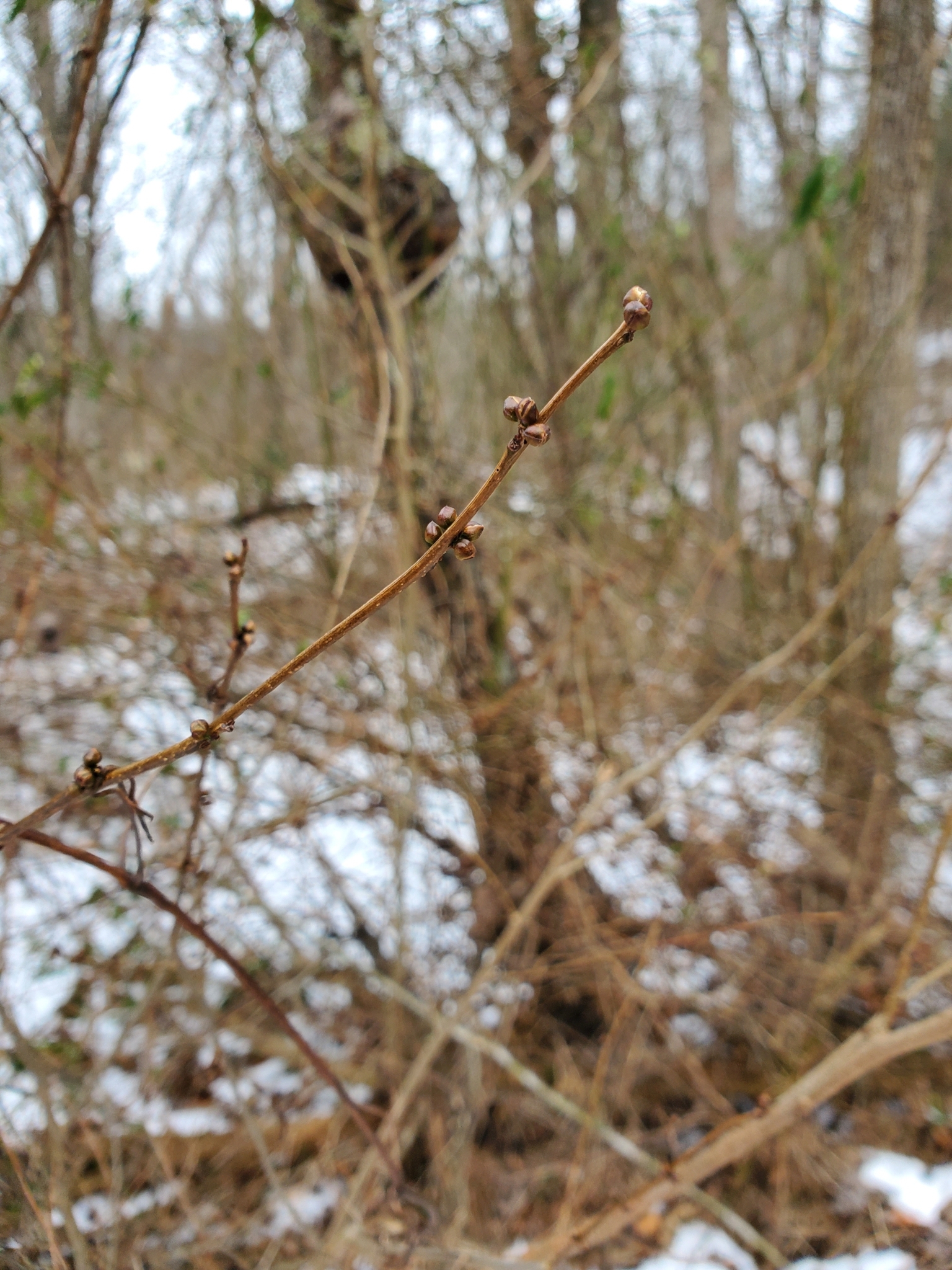
Northern Spicebush
(Lindera benzoin)
Plants need to enter dormancy in the winter in order to maintain a healthy root system through the winter, reduce the risk of disease, and keep their tissue from being exposed to harsh weather. Imagine the delicate leaves and stem trying to survive through the snow! In dormancy, plants can avoid the risks and save their energy for regrowth and producing lots of blooms. As the temperatures cool and the daylight shortens in the fall, hormones signal the plant that it is time for a winter’s rest. Abscisic acid is a powerful hormone found in plants which promotes dormancy. High concentrations of abscisic acid signal other mechanisms in the plant to prepare and enter dormancy. This acid will remain in high volume for the entirety of winter 1. This process is essential for survival in the northeast United States and it is what allows our beautiful natives to return year after year.
Spring Forward!
Fast forward from the start of winter to the end of it, the days get longer and the air begins to warm. The root systems deep in the soil are preparing for the spring. They have stored energy, in the form of carbohydrates and sugar, which sustained them through the winter and will now feed their new spring growth 2. Various environmental changes, like warmer soil and air temperatures and longer sunlight hours, will cause the dormancy hormone, abscisic acid, to shift from active to inactive. While abscisic acid becomes inactive, other hormones in the roots and bulbs are activated. Gibberellins are plant hormones that really ‘wakes up’ the plant underground. This hormone is responsible for seed germination and stem growth. Once gibberellins are produced, cytokinins quickly follow. Cytokinins are a group of hormones that are responsible for promoting cell division (does cytokinesis sound familiar?) 3 .
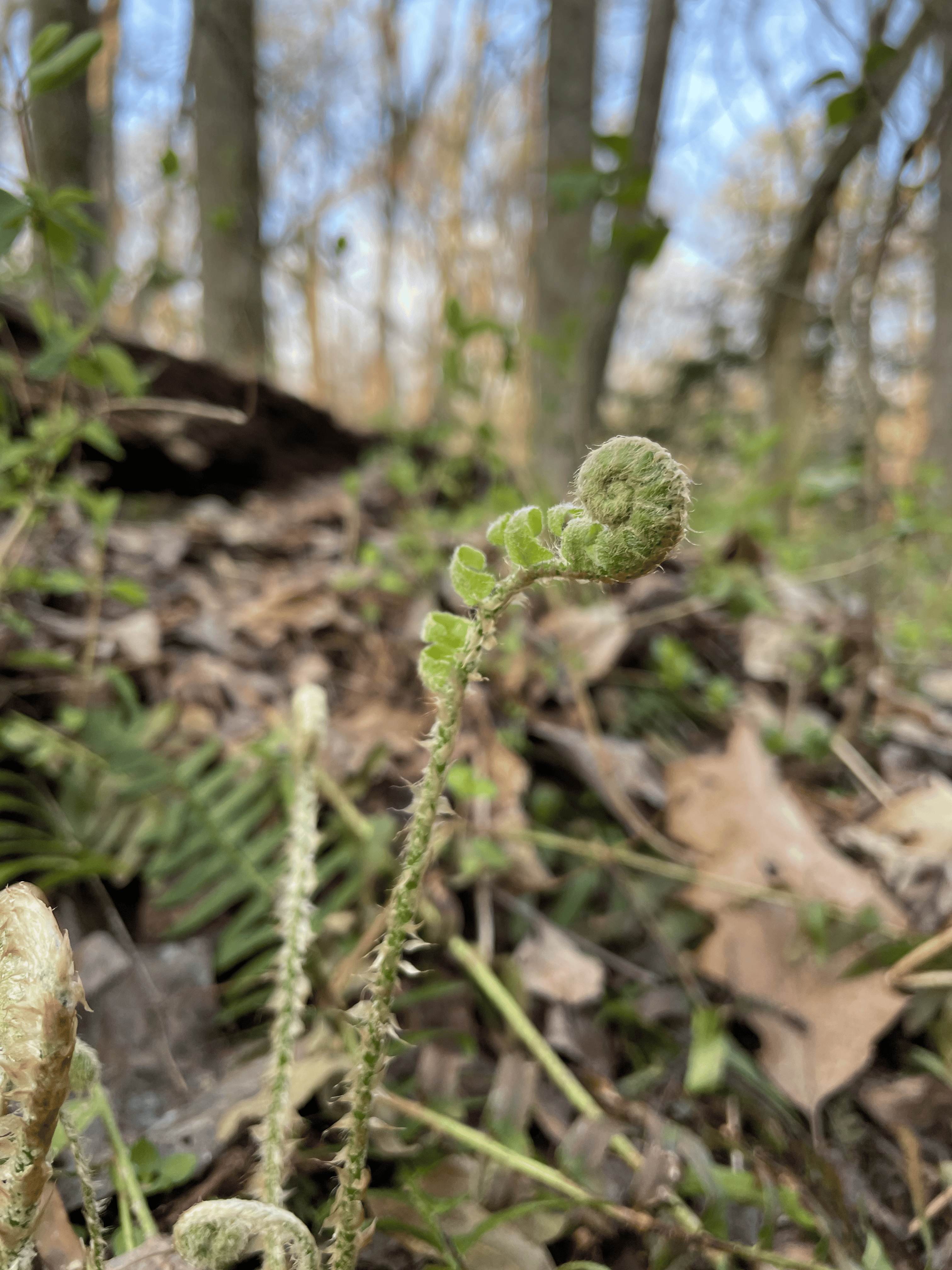
With this influx of essential hormones, the plant as we know it is able to slowly break through the early spring ground. All of that patient waiting in dormancy will pay for another season! Very soon, we will have spring ephemerals emerging…and perhaps a blog post will emerge from this website dedicated to these species!

We thank you for following along with Feather and Fern Wildscapes on this adventure! We’ll continue to use this blogspace to write about all things interesting and fun in the plant world. If you have questions about a certain plant or would like us to highlight a specific topic, comment below on any blog post and we’ll be sure to address it in a follow-up post! To keep up with us, sign up for our occasional newsletter and follow our social media channels as well – Instagram, Facebook, and LinkedIn.

1. Nambara E. Abscisic Acid – an overview | ScienceDirect Topics [Internet]. Sciencedirect.com. 2017. Available from: https://www.sciencedirect.com/topics/agricultural-and-biological-sciences/abscisic-acid
2. Dormancy: A Key to Winter Survival [Internet]. Extension. 2018. Available from: https://extension.unh.edu/blog/2018/12/dormancy-key-winter-survival
3. Michaels T, Clark M, Hoover E, Irish L, Smith A, Tepe E. 4.2 Plant Hormones. openlibumnedu [Internet]. 2022 Jun 20; Available from: https://open.lib.umn.edu/horticulture/chapter/4-2-plant-hormones/