
Hibernation Ponderings
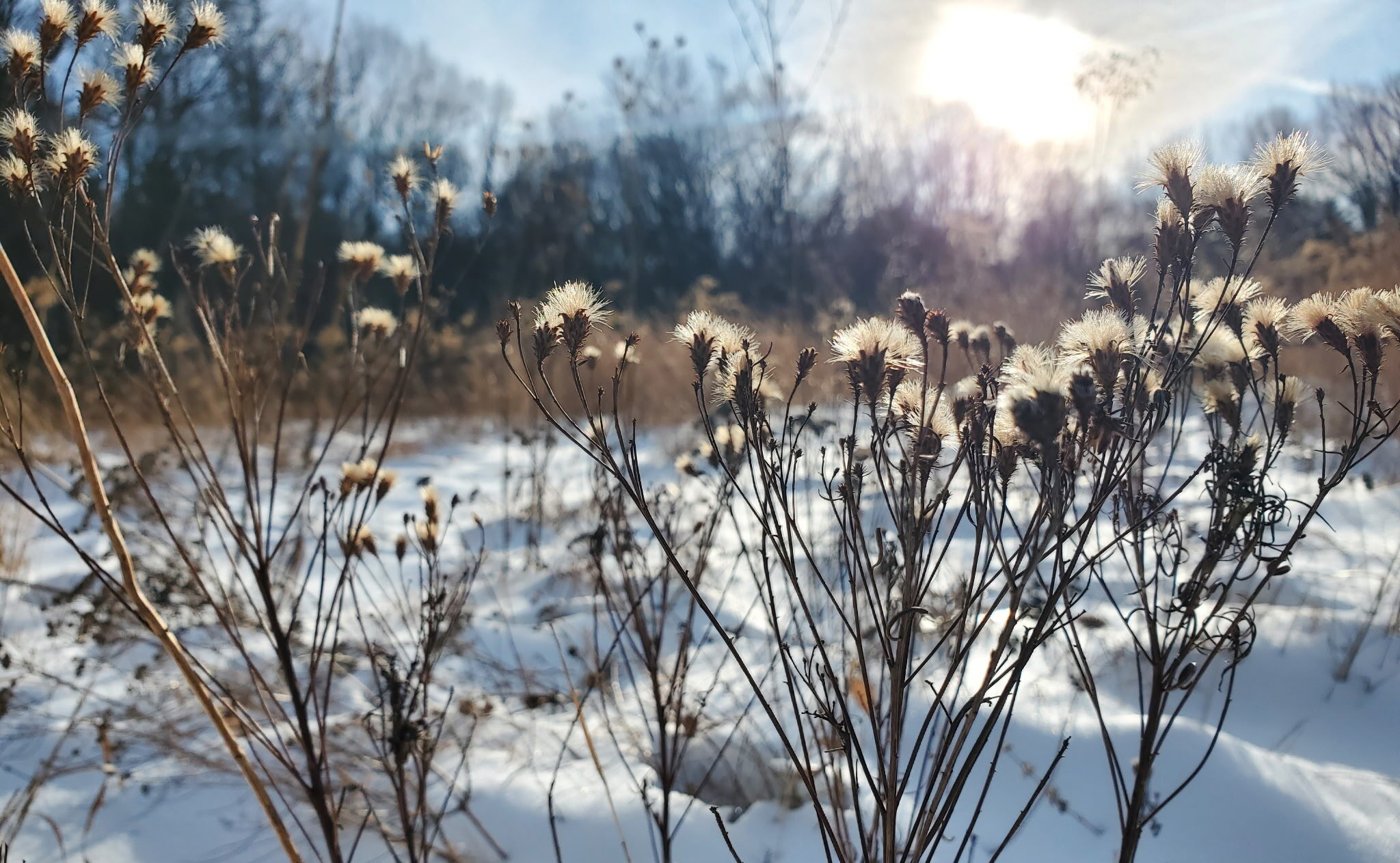
The winter season is for quiet moments of reflection and mindfulness. Our gardens, once lush with color, have left remnants of the growing season as the plants rest in dormancy. The winter landscape may look barren at a glance, but take a closer look and you will see the connections to life still there.
The winter season is for quiet moments of reflection and mindfulness. Our gardens, once lush with color, have left remnants of the growing season as the plants rest in dormancy. The winter landscape may look barren at a glance, but take a closer look and you will see the connections to life still there.
Leave it All!
Native plant gardeners will tell you, your plants are just as valuable in the winter as they are in the summer. When we build a pollinator garden, the benefits can last far beyond the warm weather of the growing season! You may be familiar with the popular phrase, ‘leave the leaves’. This promotes landowners to leave their fall debris in place to provide valuable shelter for pollinators in the winter. We want to take that a step further and say, leave it all! Leave the dead flower heads, leave the dead stems!
For the Birds
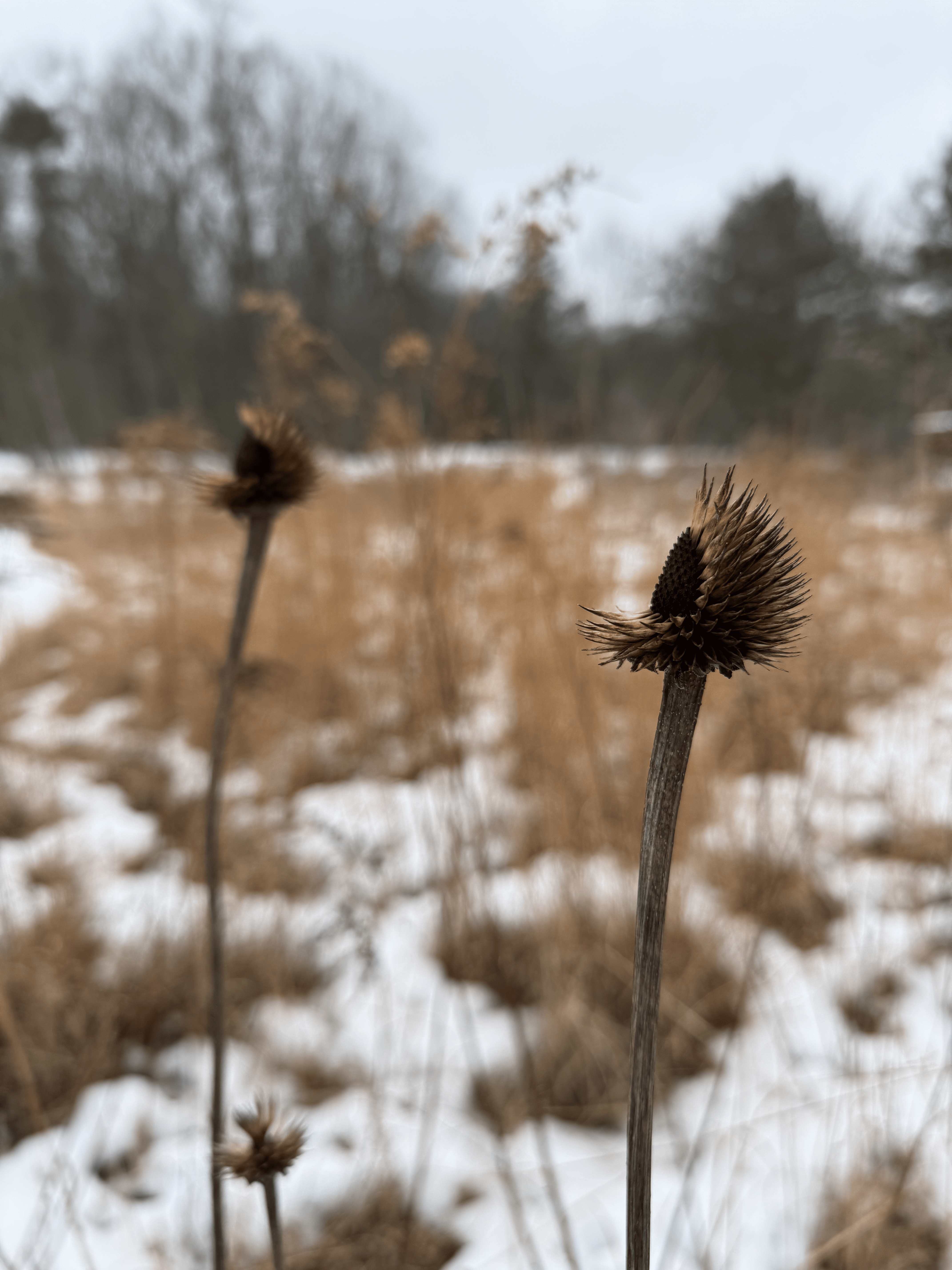
The flower heads may be dull and dried, but they offer an important food resource for our backyard wildlife. Birds will flock to forage the seeds from the dead flower heads! Goldfinches, juncos, cardinals, chickadees, and more are seed-eaters. The birds enjoy a diverse diet by feeding on the seeds in our native plant gardens.1 This also encourages their natural foraging behavior versus depending on bird feeders, which can spread disease and alter their migration patterns. One of the most rewarding winter observations to make is the dead flower head that’s been half eaten! If you leave it, the birds will enjoy it!
One Stem at a Time
Stems offer a comfortable shelter for lots of our native insects! In the late winter, cut the dead flower head off leaving 8-24 inches of the stem left from the ground. As spring arrives, these trimmed stems will be bustling with activity! Cut stems are used by many of our native bee species to lay eggs and raise young in! The following winter, these same cut stems can then be used by adult bees to take shelter in.2 Our native pollinators are essential in promoting healthy, biodiverse habitats full of all our favorite native plants! Offering nesting and hibernation shelters will support this group of insects.
Below are a couple (blurry) photos of stems that Farren recently cut in her gardens! While checking in on her gardens, she happened to see an insect crawling around inside of a milkweed stem she had recently cut!
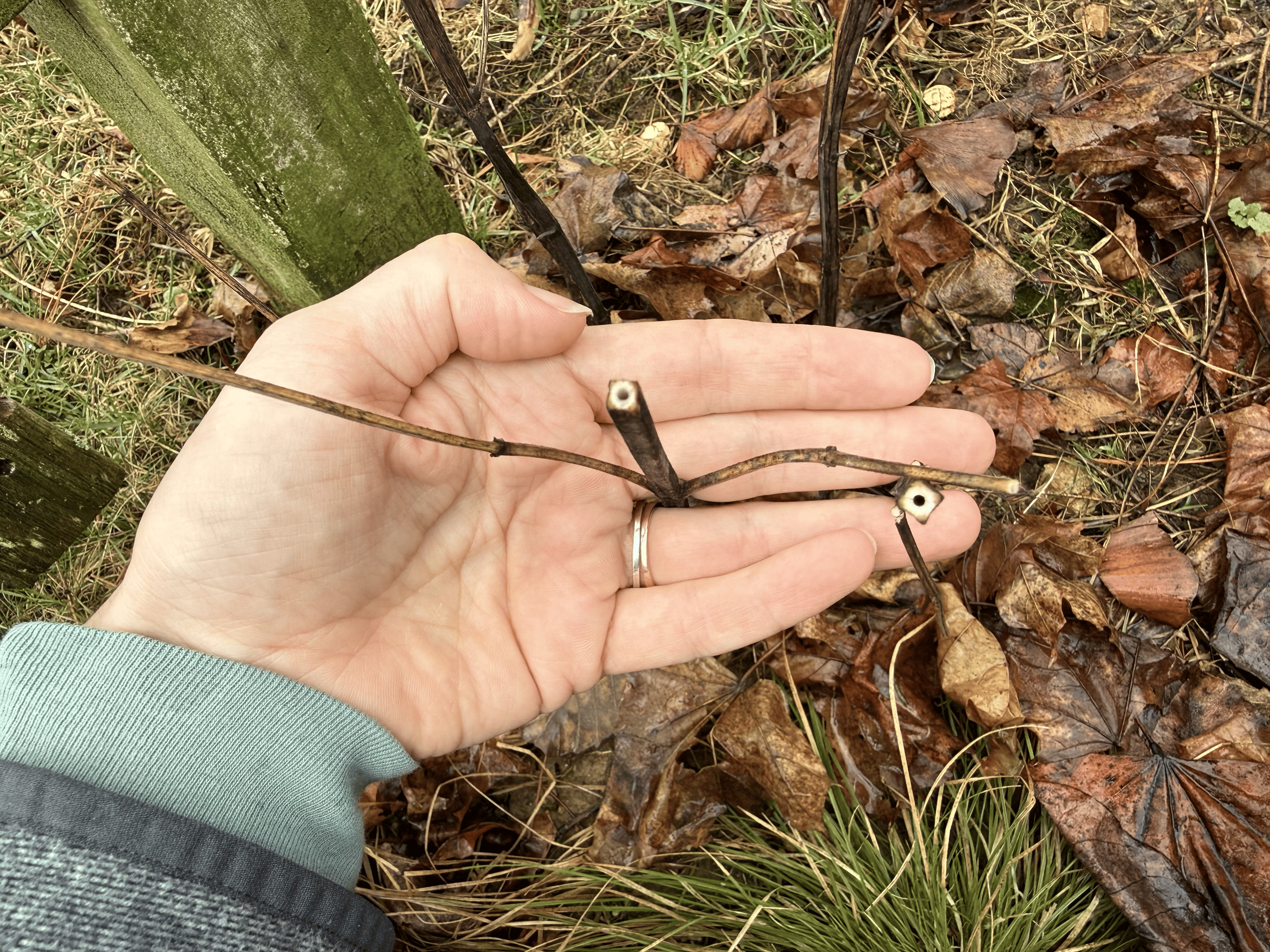
Cut stems of anise hyssop
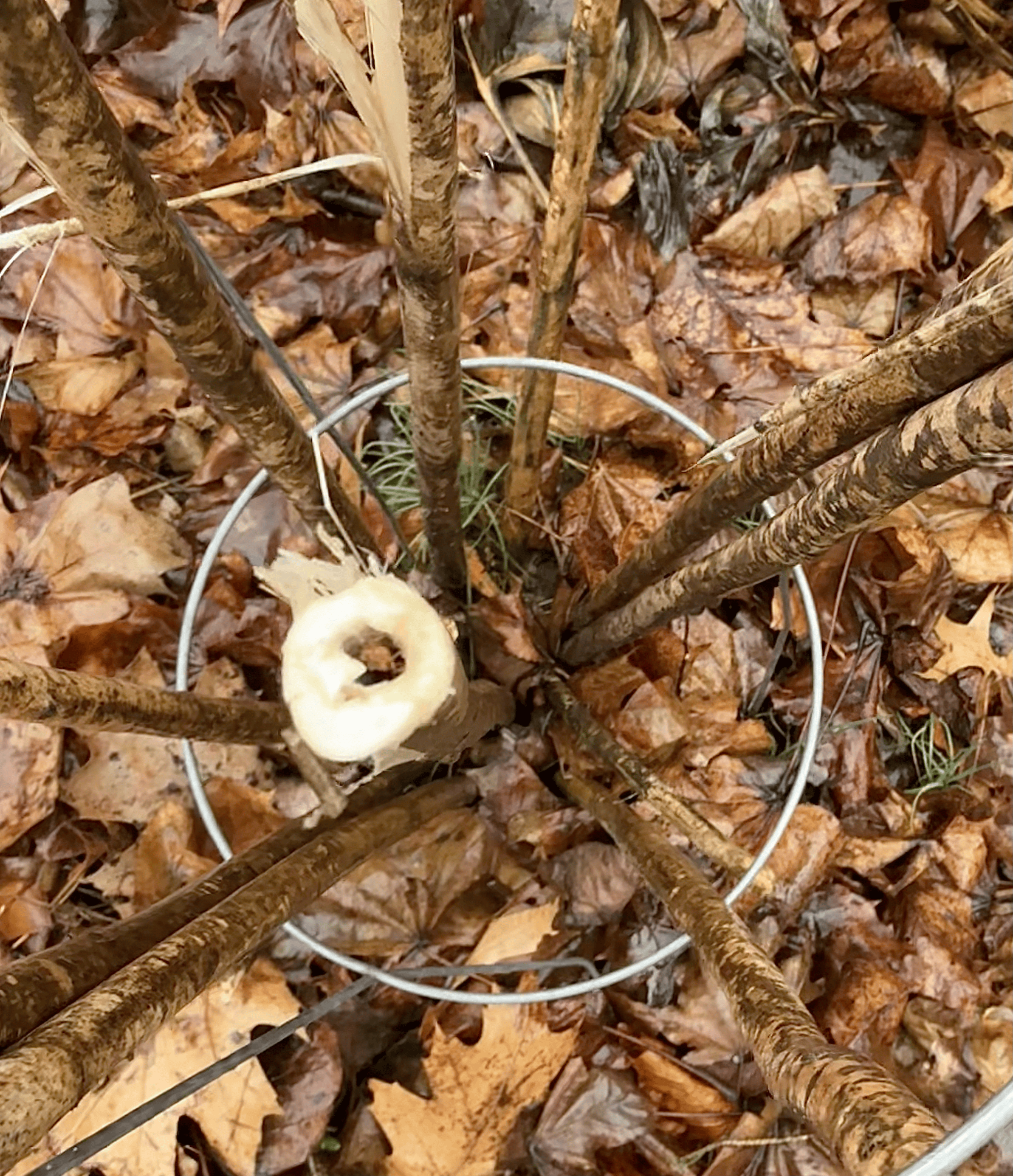
Insect crawls inside an old milkweed stem
Winterscapes
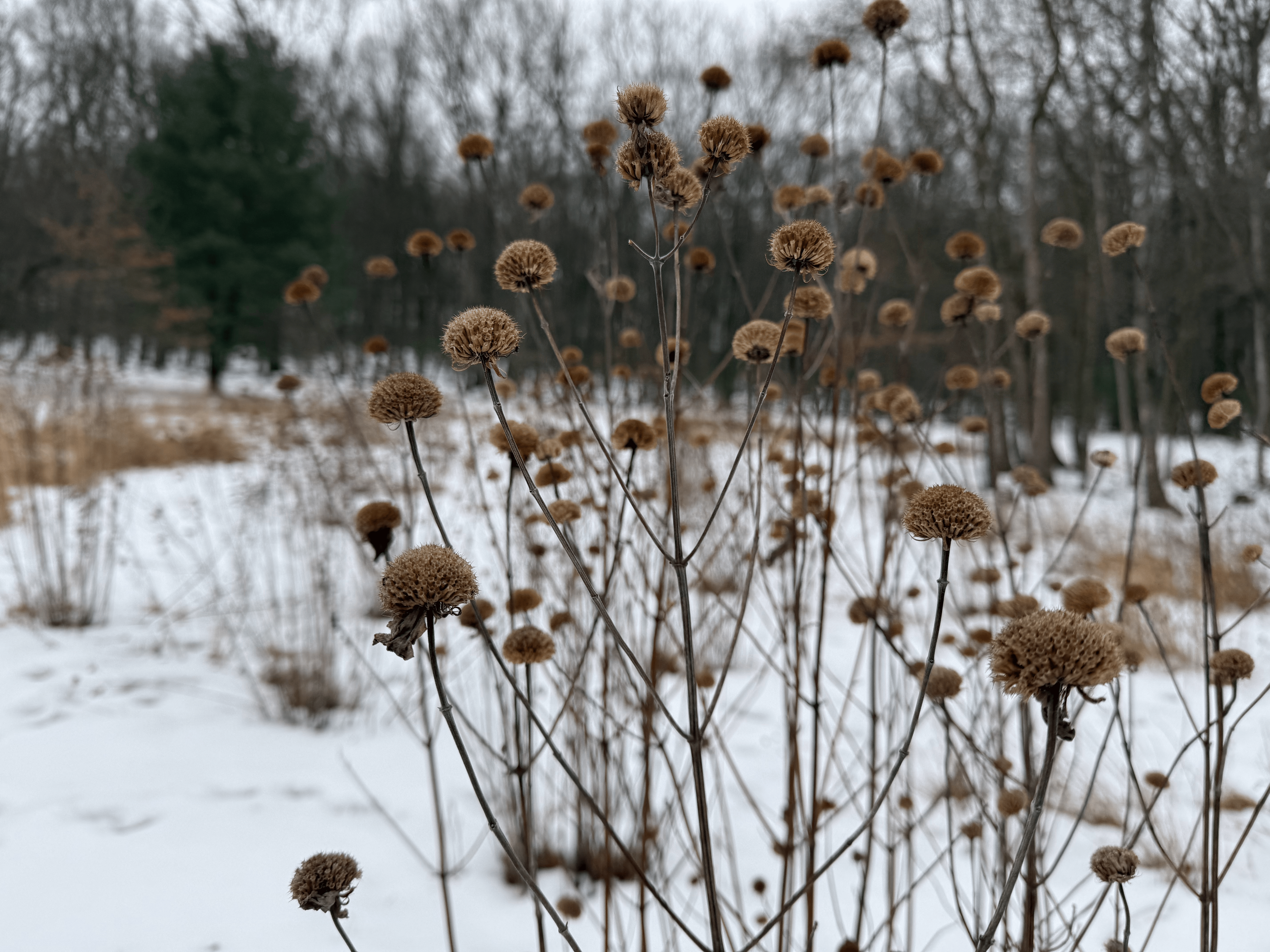
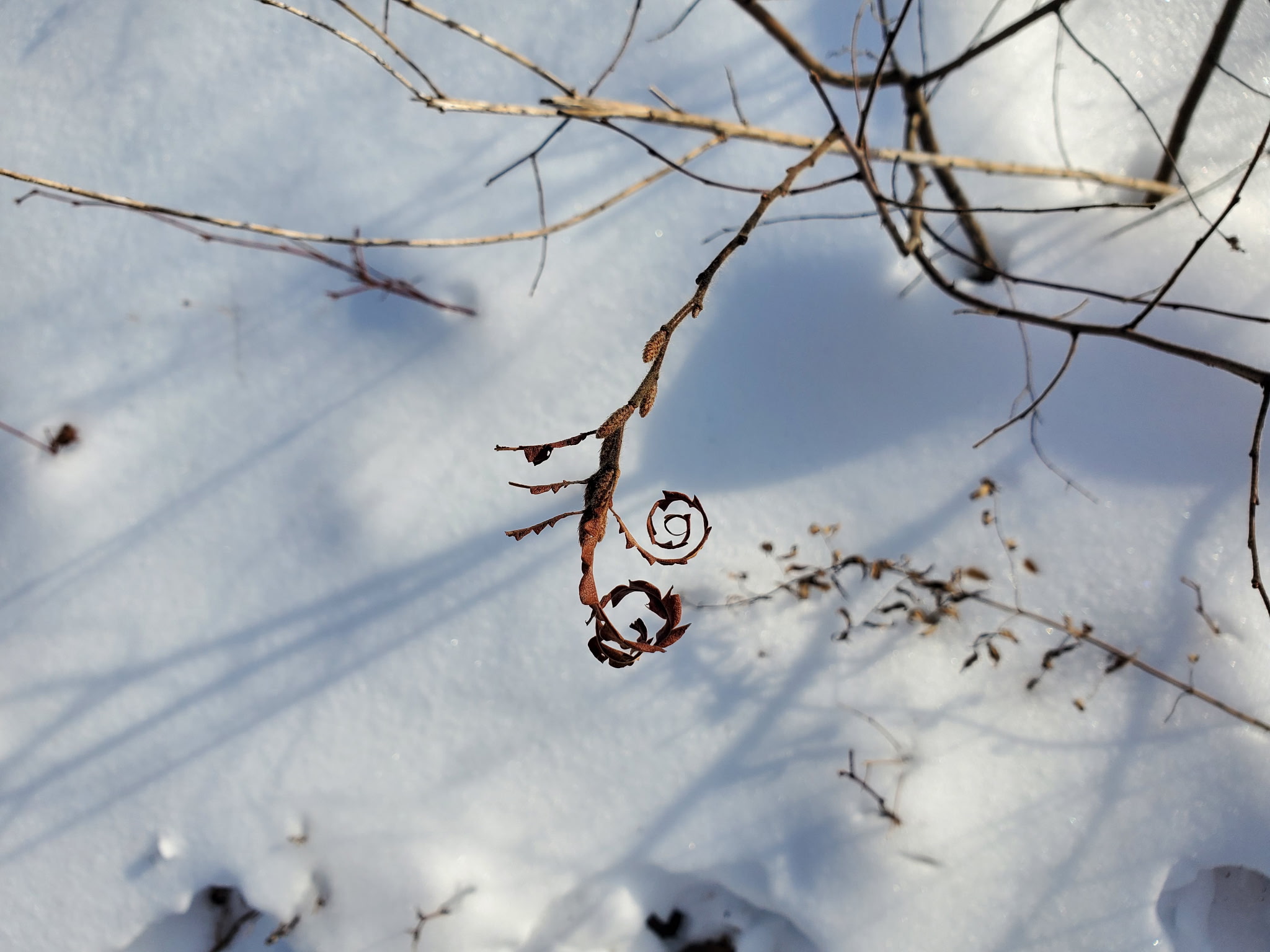
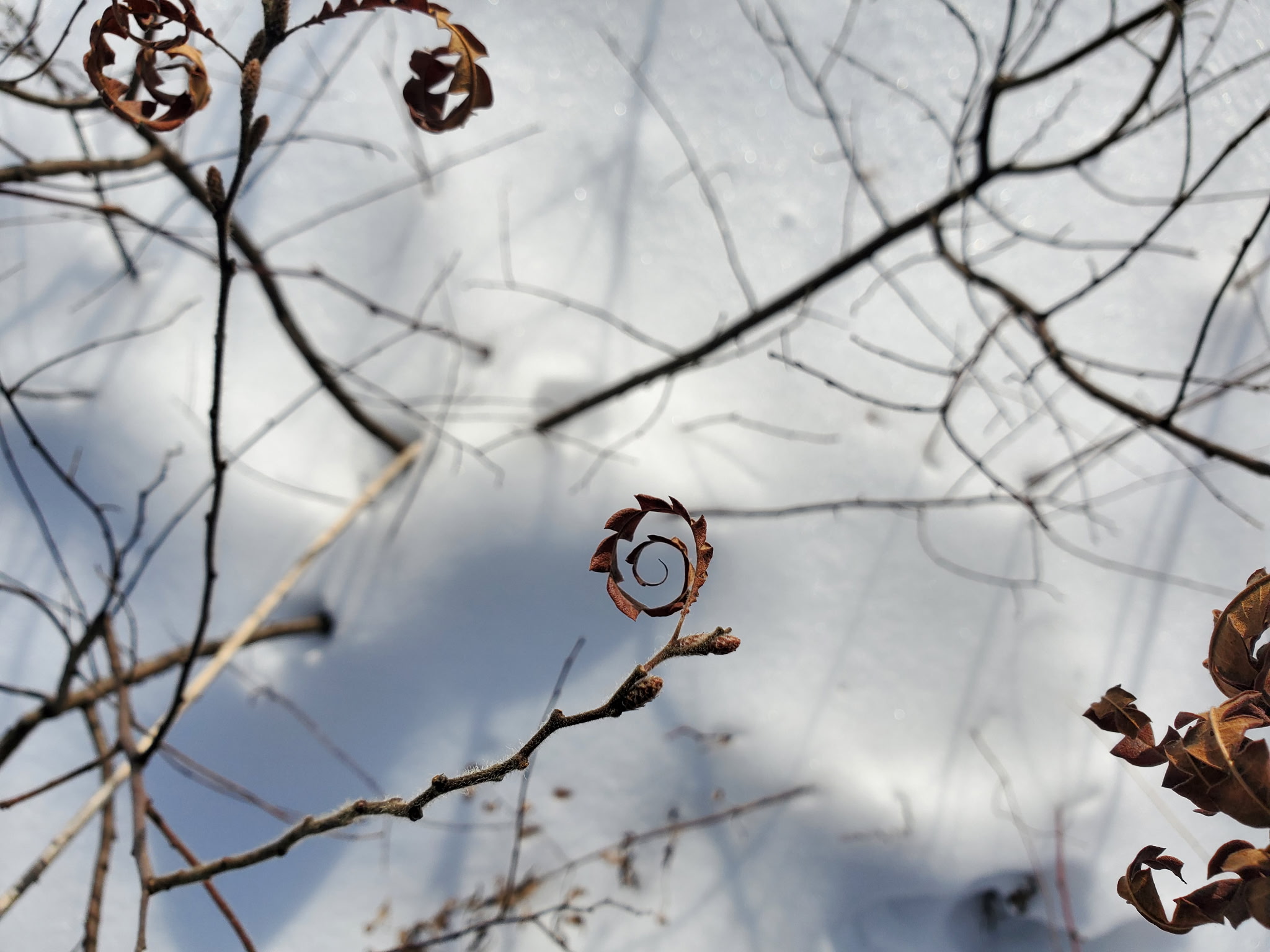
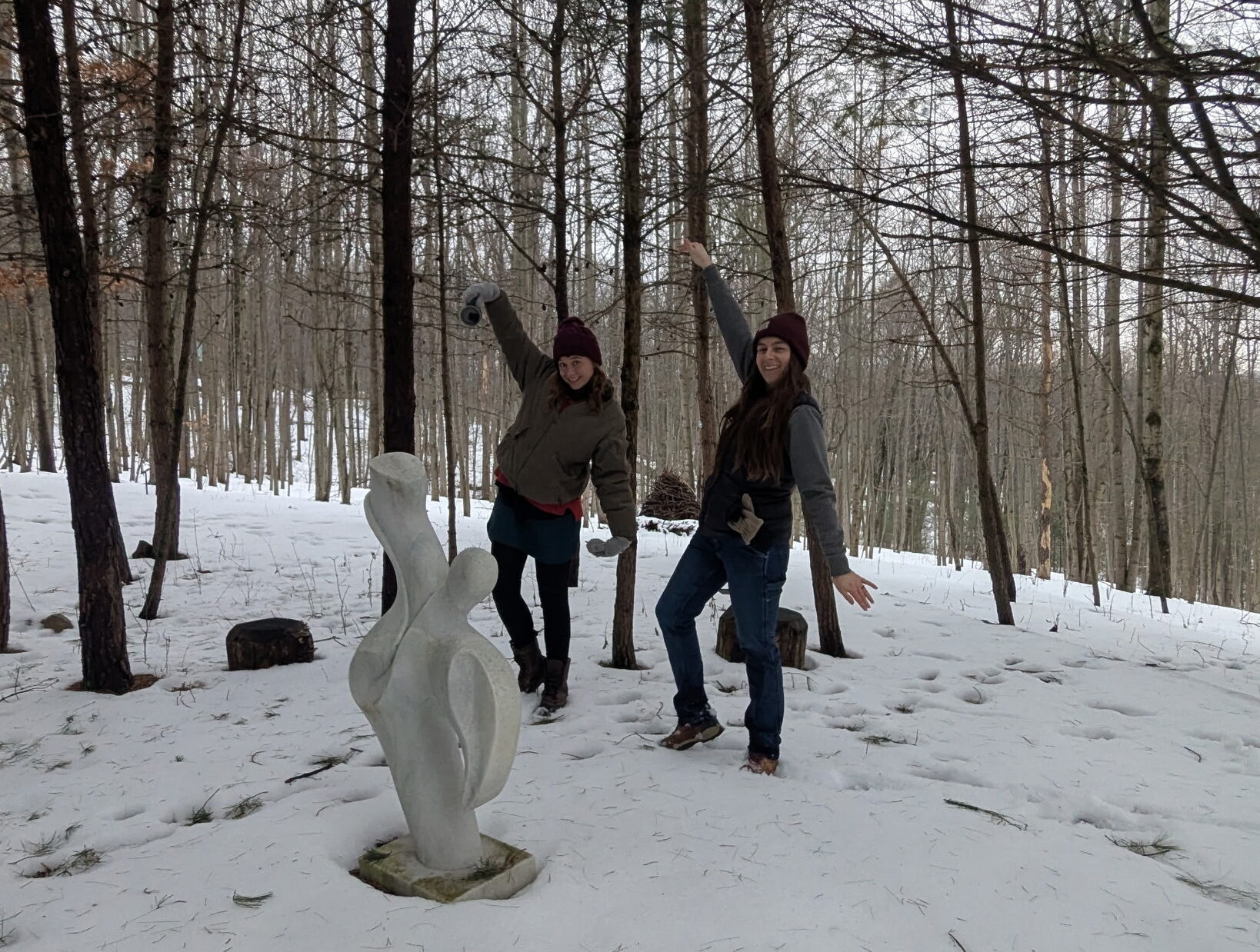
Along with the benefits to wildlife, winter gardens can be appreciated for their dynamic aesthetic. From the statuesque form of little bluestem (Schizachyrium scoparium), to the curls of sweet fern (Comptonia peregrina), native plants offer a new perspective in the winter. Textures and shapes create interesting visuals to enjoy in the dormant season! When a blanket of snow covers the ground, the contrast between the plants and snow is beautiful. Our lovely native wildscapes transform into unqiue winterscapes this time of year!
Year-Round Resource
The value of a garden lasts far beyond the growing season. Even in the winter, life ‘stems’ from our backyards! Visit The Xerces Society to learn more about how you can make your garden a resource within your local ecosystem all year round.
As we share this blog, winter time is coming to a close, and under the soil, plants are waking up! We can’t wait to get outside and watch our plants come back to life!

We thank you for following along with Feather and Fern Wildscapes on this adventure! We’ll continue to use this blogspace to write about all things interesting and fun in the plant world. If you have questions about a certain plant or would like us to highlight a specific topic, comment below on any blog post and we’ll be sure to address it in a follow-up post! To keep up with us, sign up for our occasional newsletter and follow our social media channels as well – Instagram, Facebook, and LinkedIn.

1. Want to Feed Birds? Leave Your Perennials Standing – Brooklyn Botanic Garden [Internet]. Brooklyn Botanic Garden. 2023 [cited 2026 Mar 19]. Available from: https://www.bbg.org/article/want_to_feed_birds_leave_your_perennials_standing
2. Jordan SF, Hopwood J, Morris S. Moving Beyond Flowers [Internet]. The Xerces Society. Available from: https://xerces.org/sites/default/files/publications/18-014.pdf